More about "Djanes" project
This is a media project of the Roma youth organization "ARCA". It includes news of the Roma community in Ukraine, interviews and life stories, interesting facts designed to break stereotypes.
Djanes
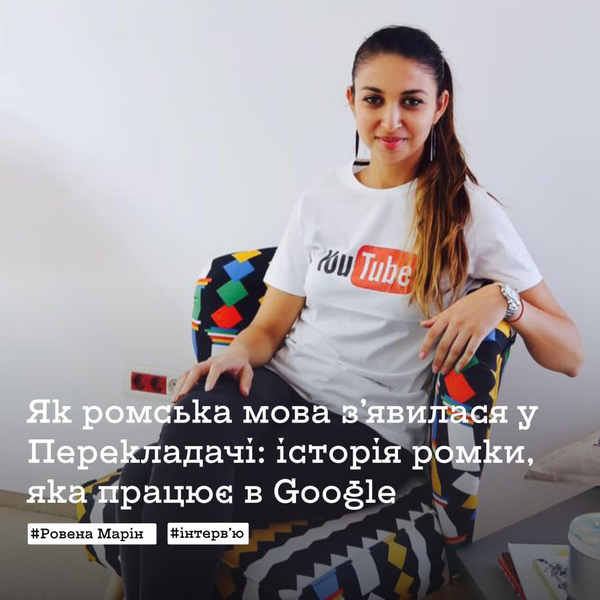
Як ромська мова з'явилась у Перекладачі. Або історія ромки, яка працює в Google
Віднедавна ромська мова з’явилася Google Translate разом з понад сотнею інших рідкісних мов. Ця новина неабияк потішила ромське ком’юніті. У компанії Google тоді зазначили, що підхід компанії полягає в тому, аби надавати пріоритет найбільш вживаним різновидам кожної мови. І що ромська мова має багато діалектів по всій Європі. І сьогодні (5 листопада) у Міжнародний день ромської мови ділимося історією людини, яка працювала над розробкою сервісу.
The Melody of Mother Tongue: How Romani children get to know themselves through words
How many stereotypes about Romanis do you know and what kind of stereotypes are these? What about culture and traditions? Today, we are going to get you acquainted with a person who, through her work, proves the absurdity of bias and opens the world of Romani language to the attention of society.
"We have never been taught our history. It has always been told to us through the prism of Russian c
In a conversation with Maksym Eristavi, we discussed the perception of Russian colonialism by Western audiences, the influence of Russian propaganda in Europe, the importance of the Ukrainian voice abroad, the author's Ukrainian and Roma identity, and why our voice continues to be one of the main ones among others.
To be the Voice of Romanis
As a French writer, Pierre Chopinaud works with the topic of Roma in Europe, telling the stories of these people.
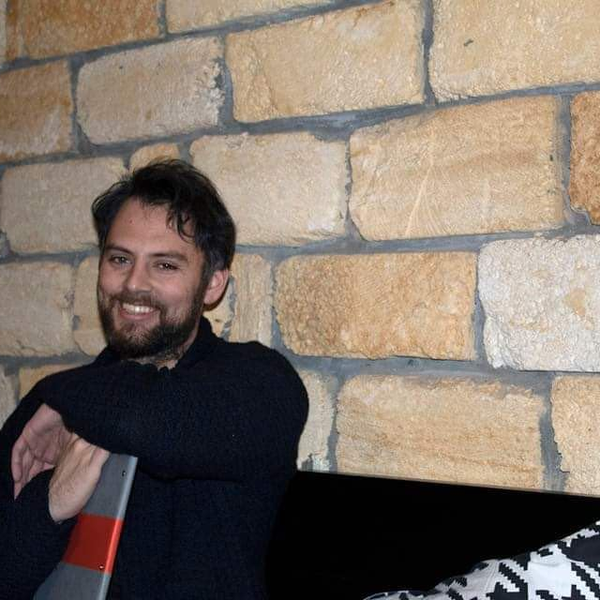
«Ukrainian Romanis cannot exist without Ukraine, and Ukraine cannot exist without its Romanis»
Recently, as part of the largest expansion of its translator, Google added 110 new languages, including Romani. How did the Roma react to this news? Will this help in the consolidation and solidarity of Roma communities, given that Roma do not have their own state? What is the current state of the Roma language in Ukraine and in the world? Svitlana Myalyk asked a Ukrainian ethnographer of Roma origin, a specialist in Roma culture, history and language, and a public activist, Janusz Panchenko.
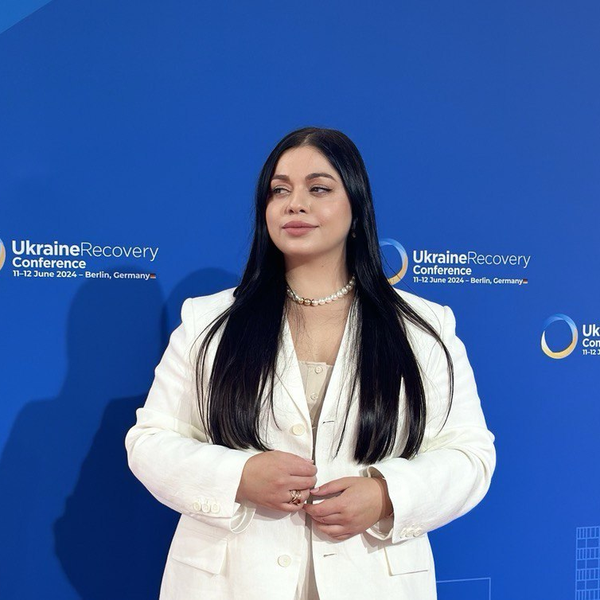
Natali Tomenko: «The principal assignment of ARСA is to preserve the Romani cultural heritage
The protection of cultural property during Russia's war against Ukraine was discussed at the recent International Conference on the Reconstruction of Ukraine in Berlin. The event was attended by Roma organizations working in Ukraine and around the world to protect their rights and preserve their cultural heritage. Svitlana Myalyk spoke with Natalia Tomenko, Deputy Director of the Youth Agency for Advocacy of Roma Culture ARСA, who participated in the conference in Berlin.
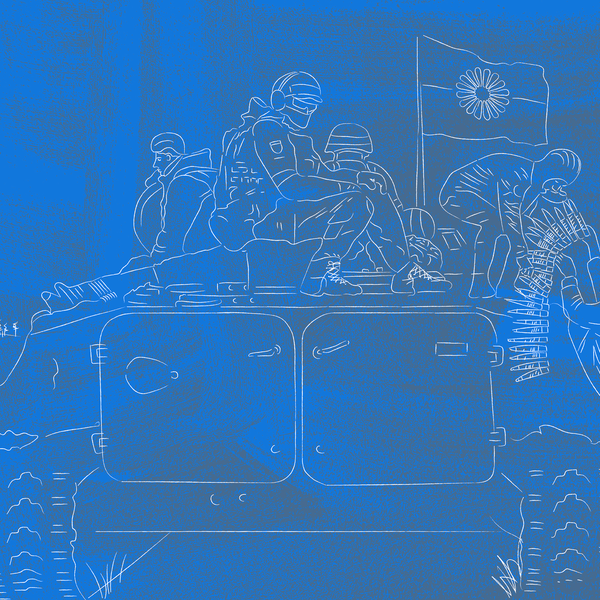
How Roma Contribute to the Processes of Defence and Restoration of Ukraine and Stand for their Right
The Roma community has been oppressed in almost all countries. They were the second ethnic group after the Jews to be massacred by the Nazis. However, after World War II, the situation changed for the better in a number of European countries. What about Ukraine? We talk to Volodymyr Yakovenko, director of the Youth Agency for Advocacy of Roma Culture "ARKA", about how Roma are involved in the defense and restoration of Ukraine, as well as about the acute issues of Roma integration and changing public attitudes towards the minority.
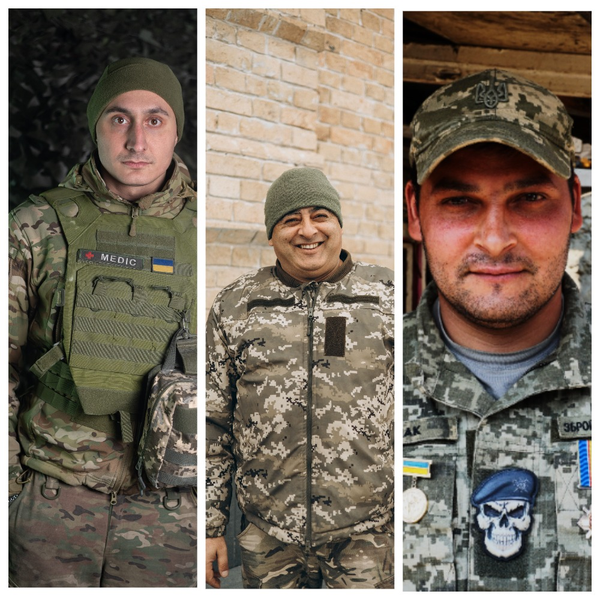
Roma in Pixel: Stories from the Front
Viktor, Mykola, and Oleksii are representatives of Roma communities in Ukraine. Each of them carries a hidden history of pain and loss, but also resilience, personal Viktories, and faith. All three are different and unique in their own ways. However, there is something that unites these Roma men: love for their country. And the readiness to voluntarily exchange civilian clothing for military uniforms.
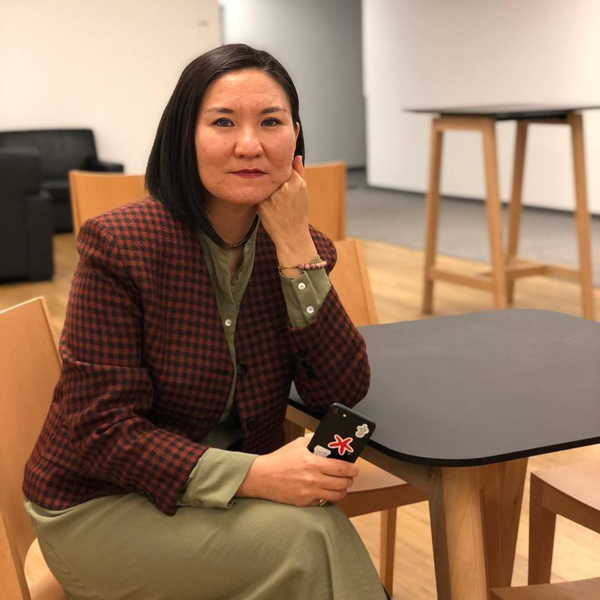
“Shall no one fear to be a Roma”: how activism helps to get rid of bias and stigmatisation You may
You may never guess how deep the impact of colonisation is upon your life. This impact is, however, deep, longstanding, and destructive
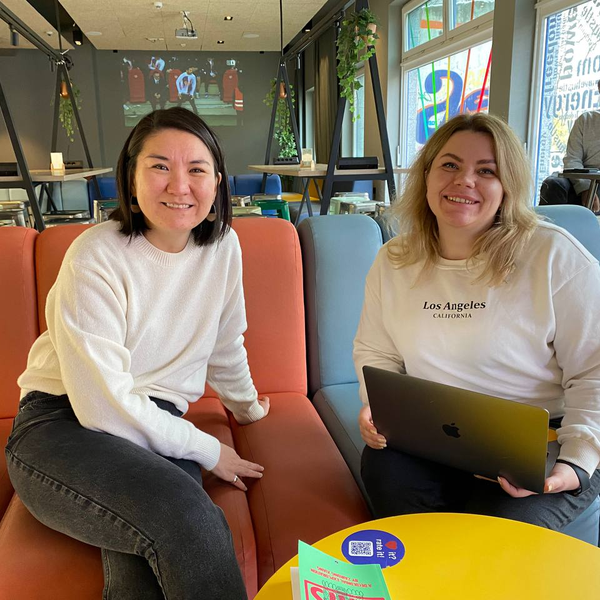
The world must hear the voices of ethnic groups. Interview with Elmira Kakabayeva
In Berlin, a workshop titled “How to Decolonize and Preserve Memory” took place. Knowledge and new working methods were shared by journalist, social anthropologist, writer, founder of an online writing course for women, co-founder, and editor of the literary project Qantar.Jazylu, Elmira Kakabayeva. So, can one person influence the processes of decolonization?
Also in this section:
- «Важливі не просто дослідження проблем, а конкретні зміни», – правозахисниця Анастасія Журавель
- «Якщо ми втратимо мову — ми втратимо все»: Халіл Халілов про збереження кримськотатарської культури
- Костянтин Мусенко: «Важливо, щоб у родинах змінювалося розуміння того, навіщо потрібна освіта»
- Володимир Яковенко: що потрібно ромським громадам України для розвитку
- Ромські активісти Наталя Томенко та Януш Панченко про фестиваль Khamoro у Празі
- Дослідник Михайло Ослон: «Наша мета зараз — закласти фундамент для багаторічної роботи»
- «Народи України»: як фестиваль допомагає відкривати багатокультурну Україну в Польщі
- «Хочу допомогти змінити ставлення суспільства до дітей ромського походження»— Марина Скорейко
- Роми України: між війною та боротьбою за рівні можливості
- Ігор Лоcсовський: «Війна впливає не лише на безпеку, а й на збереження ідентичності»