In Berlin, participants discussed the protection of ukrainian roma rights during the war
On 23–24 November, the international forum “Ukraine Roma Forum 2026: Advancing the Rights of Ukrainian Roma Across Borders in Europe” took place in Berlin. Over two days, participants discussed Roma people’s access to identity documents and essential services, combating discrimination, media coverage of Roma issues, preserving cultural heritage, and involving Roma communities in Ukraine’s recovery.
The forum was organized by the Roma Cultural Advocacy and Youth Agency (ARCA) with the support of the German Federal Foreign Office.
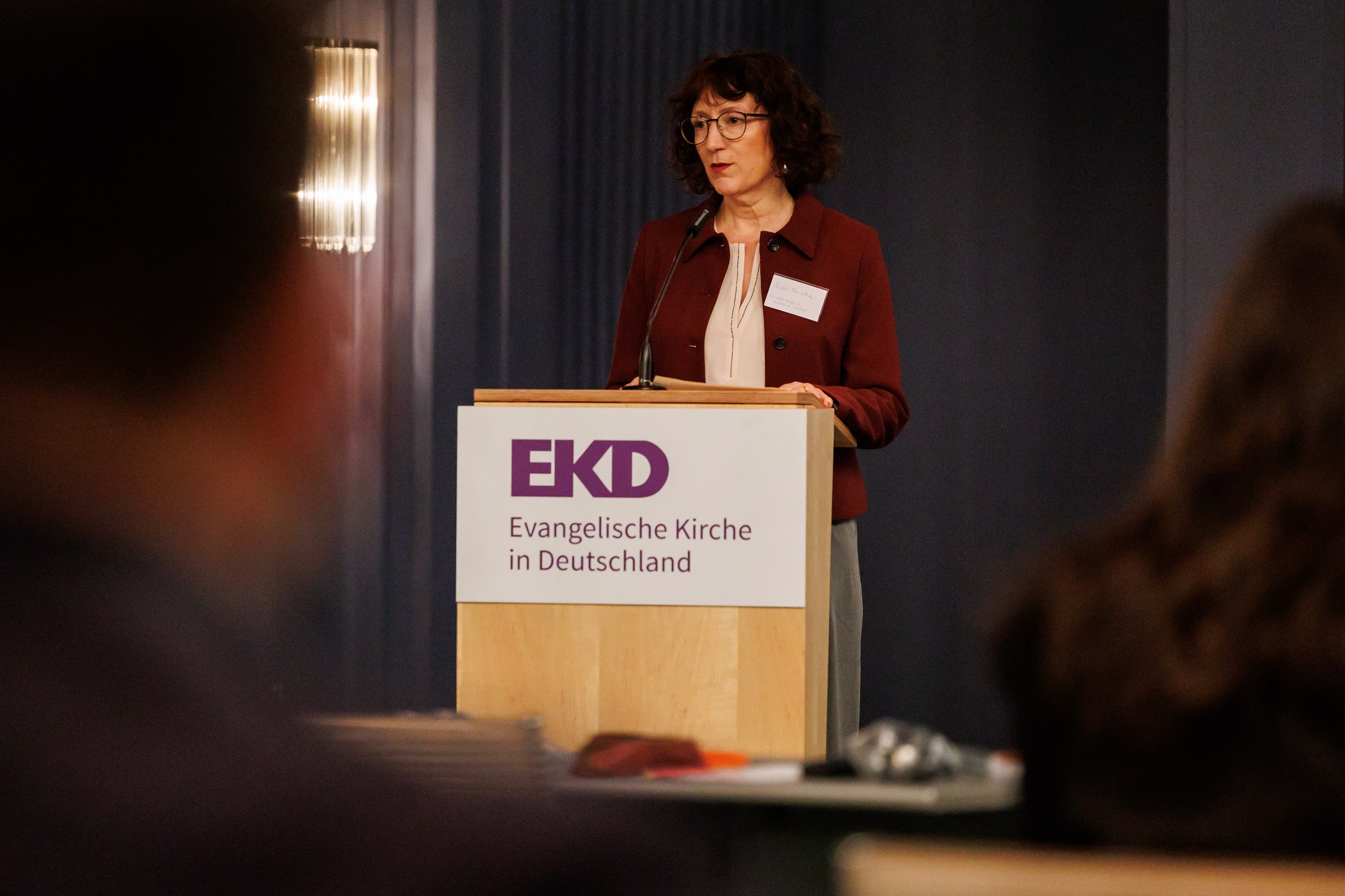
The opening session brought together representatives of the organizers, German and Ukrainian institutions, the Council of Europe, and the European Union. Participants included Sarah Reinke, representative of the Society for Threatened Peoples (GfbV); Jakob Mirwald of the Evangelical Academy of Berlin; Volodymyr Yakovenko, Executive Director of ARCA; Mariette Pfister, representative of the German Federal Foreign Office; Natalia Chernopaschenko, representative of the Embassy of Ukraine in Germany; Katarína Mathernová, EU Ambassador to Ukraine; and Hilde Haug, Deputy Head of the Council of Europe Office in Ukraine.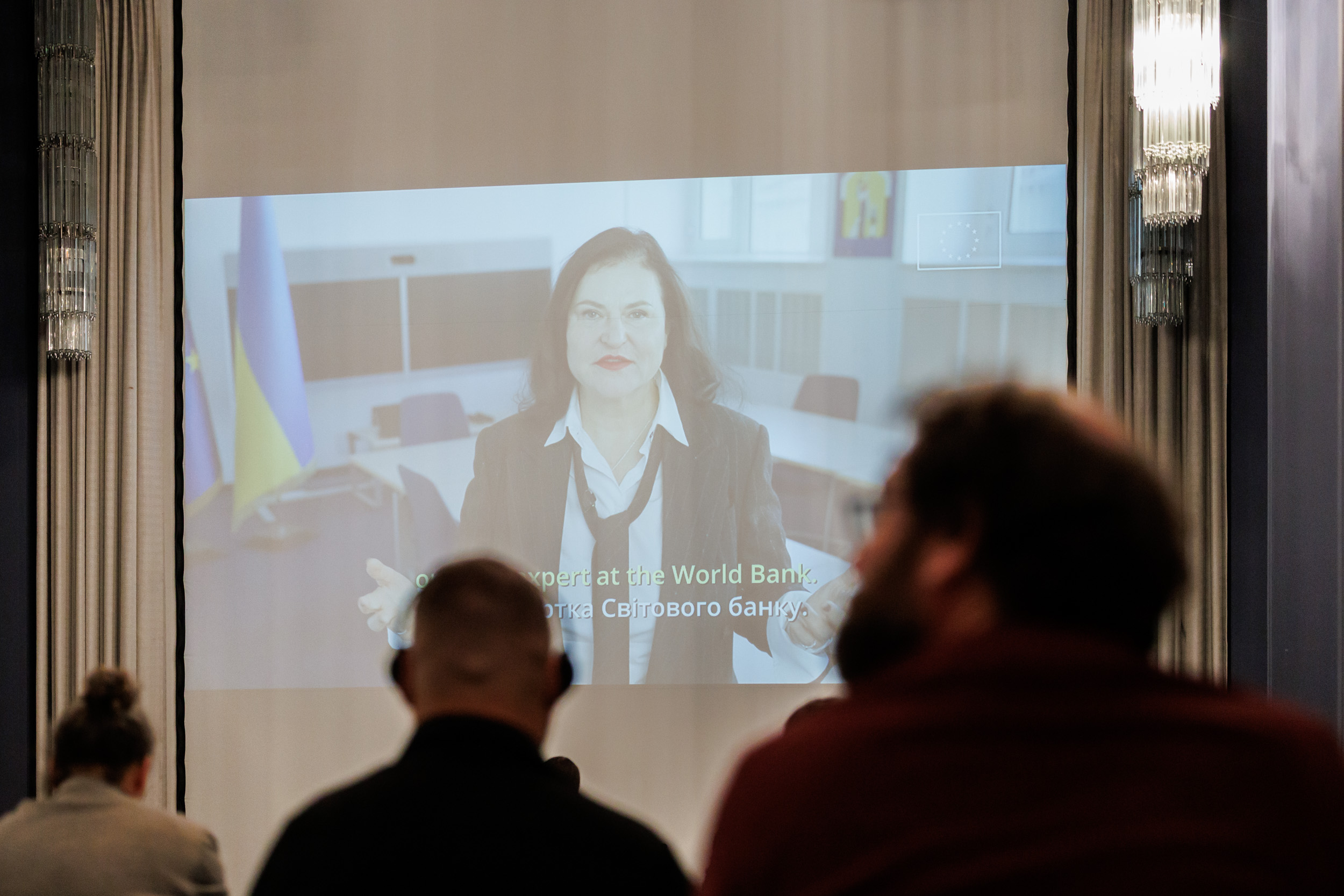
From humanitarian assistance to equal opportunities
The first day of the forum focused on protecting Roma communities during the war. Participants discussed the situation of Roma among internally displaced people and refugees, as well as access to humanitarian assistance, healthcare and social services, education, and civil documentation.
The discussion brought together Volodymyr Kondur, Head of the Roma Rights Protection Unit at the Secretariat of the Ukrainian Parliament Commissioner for Human Rights; Fedir Danylchenko, representative of UNHCR; Roman Bigunets, Project Manager at the International Charitable Foundation “Regional Carpathian Foundation” (NEEKA); Vasil Duri, representative of the Transcarpathian Regional Roma Cultural and Educational Society “Roma”; Eleonora Kulcsar, Executive Director of BLAGO; and Analee Pepper, Senior Adviser on Conflict-Related Sexual Violence at the UN Resident Coordinator’s Office in Ukraine.
Volodymyr Yakovenko, Executive Director of ARCA, emphasized that Roma people should be recognized not only as individuals in need of support, but also as full participants in public life.
“There is still a gap between decision-making and real changes in people's lives. What matters to people is not the documents themselves, but whether anything has actually improved in their everyday lives,” he said.
Participants also highlighted the importance of local Roma organizations, which understand the needs of families firsthand and help build cooperation between communities, authorities, and international partners.
A separate discussion focused on media coverage of Roma issues in Ukrainian and German media. Participants included Maryna Tkachuk, Director of the Directorate for Monitoring, Analysis, Strategic and Regional Development at the National Council of Television and Radio Broadcasting of Ukraine; Diana Duzik, Executive Director of the Ukrainian Institute of Media and Communication; Seán McGinley, journalist and political scientist; and Emilia Sulek, journalist and author of documentary books.
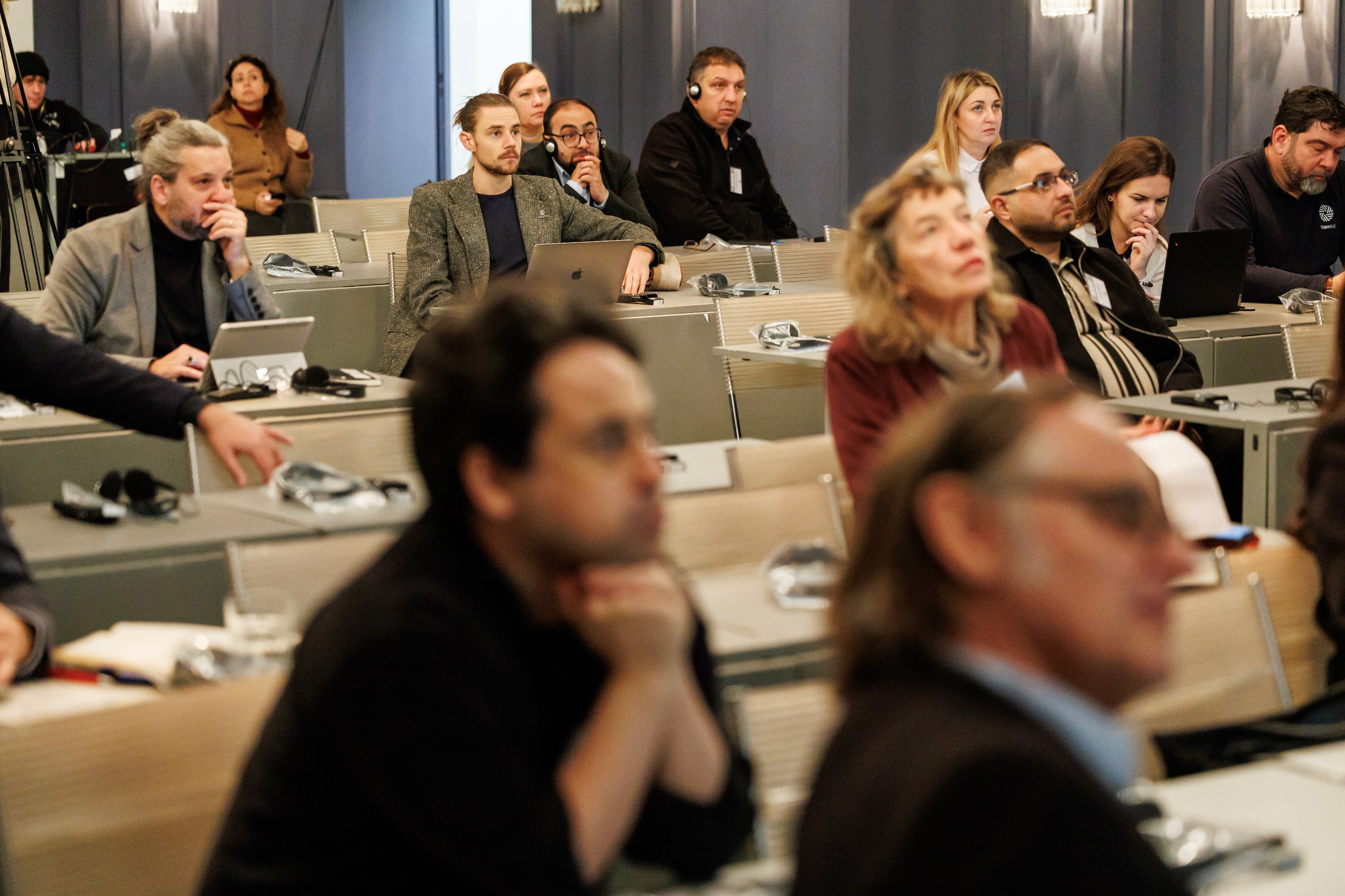
Representatives of the National Council presented recommendations on responsible media coverage of Roma communities, developed with the participation of 17 organizations. Meanwhile, journalist and researcher Emilia Sulek drew attention to the fact that Roma people often appear in the media only in connection with crime or conflict stories, while their own voices, experiences, and contributions to society remain underrepresented.
Preserving historical memory as part of recognizing Roma history
Another key topic on the first day was Roma history, cultural heritage, and remembrance of the Roma genocide.
Participants discussed the need to include Roma history in Ukraine’s educational and public discourse, recognize the Roma community’s contribution to the history of Ukraine, preserve eyewitness testimonies, and ensure appropriate commemoration of the genocide victims.
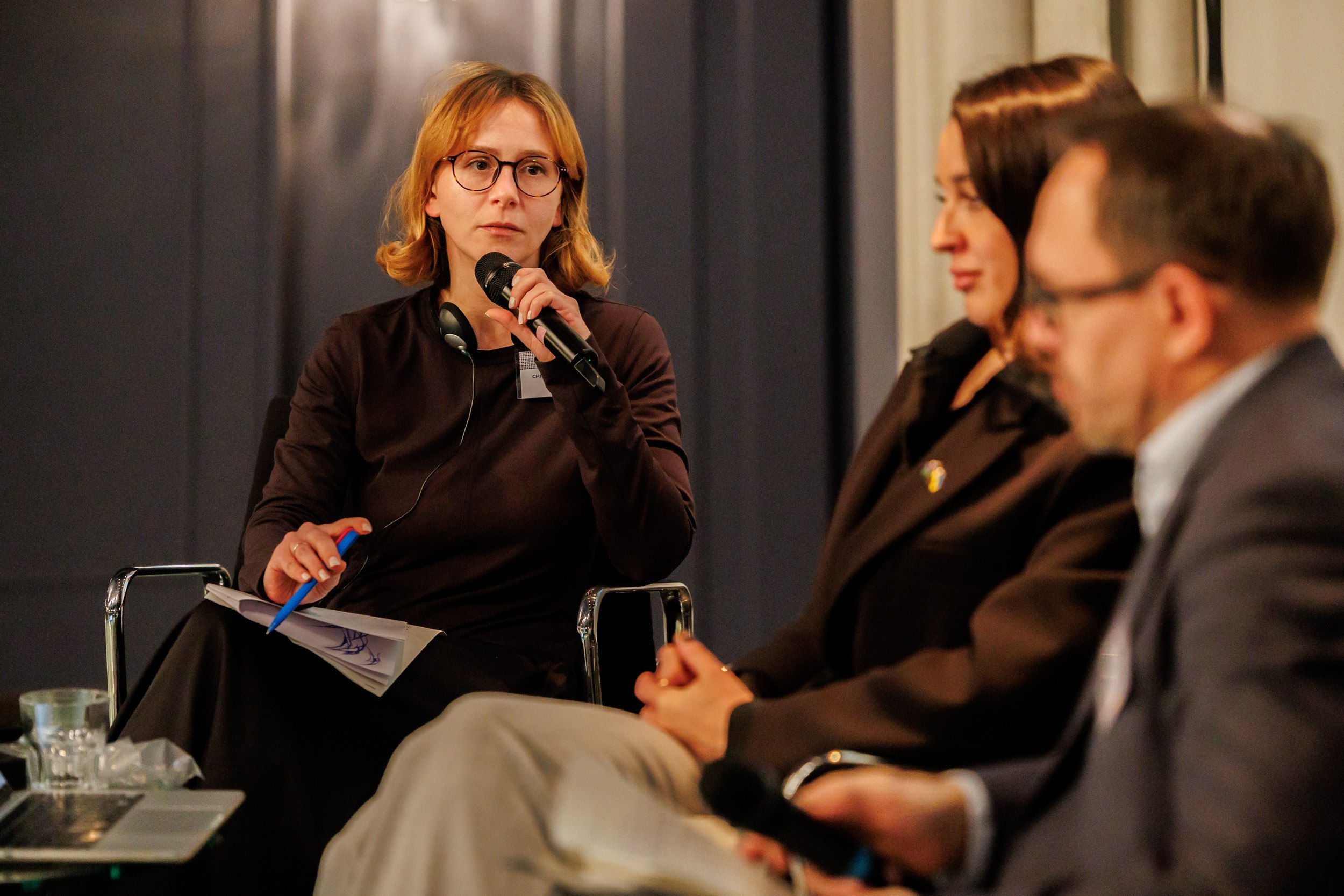
The discussion featured Kateryna Rietz-Rakul, Director of the Representative Office of the Ukrainian Institute in Germany; Eleni Tsetsekou, Head of the Council of Europe’s Roma and Travelers Division; Viktoria Savchuk, Senior Project Manager of the Latcho Dives Funding Program at the Foundation “Remembrance, Responsibility and Future” (EVZ); and Michaela Küchler, Secretary General of the International Holocaust Remembrance Alliance (IHRA).
Natalia Tomenko, Deputy Director of ARCA, stressed that official recognition of the Roma genocide must be accompanied by concrete action, including the inclusion of Roma memorial sites in official commemoration protocols and the preservation of eyewitness testimonies.
Civil documentation as the foundation for access to rights
The lack of identity documents was one of the recurring issues throughout the forum. Without passports and birth certificates, people may face barriers to accessing education, healthcare, social protection, and other public services.
Sofiia Kordonets, Program Manager for Legal Assistance to Refugees, Asylum Seekers and Stateless Persons in Ukraine at the Right to Protection Charitable Foundation (R2P), spoke about the challenges of civil documentation among Roma communities. According to her, the problem often spans generations, while the war, the loss of archives, and the occupation of territories have made it even more difficult for people to establish their legal status.
Asier Santillan, representative of the European Union Delegation to Ukraine, presented a pilot project in Zakarpattia aimed at helping Roma people obtain identity documents, including ID cards and passports. The project is expected to expand to additional settlements.
Returns must be safe and voluntary
The second day of the forum focused on the future of Roma refugees from Ukraine in Germany and other European countries, as well as the conditions necessary for their possible return.
Participants discussed challenges related to employment, access to education and housing, healthcare and social services, language barriers, and discrimination in host countries.
The discussion brought together Kenan Emini, Roma activist and representative of Roma Center e.V.; Volodymyr Shcherbakov, Roma rights expert; Elżbieta Mirga-Wójtowicz, associate professor at the University of Warsaw and Board Member of the Jaw Dikh Foundation; Stephan Müller, Adviser to the Central Council of German Sinti and Roma; and Sofiia Kordonets from the Right to Protection Charitable Foundation.
Volodymyr Shcherbakov, who currently lives and works in Germany, shared his personal experience and emphasized the importance of mediation between Roma families and German institutions.
Drawing on the experience of Balkan countries, participants stressed that return cannot be reduced to the mere relocation of people. It requires preparation and solutions to issues related to documentation, housing, education, employment, healthcare, and social services.
Stephan Müller warned against the risk of Roma people returning to discriminatory practices after the war. He emphasized the need for their full participation in public life, policymaking, and reconstruction processes.
Roma must be participants in Ukraine’s recovery
The forum’s concluding discussions focused on the participation of Roma communities in Ukraine’s recovery and European integration.
Key issues included the implementation of the National Strategy for Promoting the Rights and Opportunities of Persons Belonging to the Roma National Minority in Ukraine, equal access to education, healthcare, housing, and employment, economic opportunities for Roma youth and women, and the involvement of Roma communities in planning recovery at both national and local levels.
Participants included Ihor Lossovskyi, Deputy Head of the State Service of Ukraine for Ethnopolitics and Freedom of Conscience; Vello Pettai, Director of the European Centre for Minority Issues; Myroslav Horvath, Adviser to the Uzhhorod City Council; Anzhelika Belova, founder of the NGO “Voice of Romni”; Asier Santillan, representative of the European Union Delegation to Ukraine; and Helge Frederik Lindh, Member of the German Bundestag.
The final session, dedicated to Roma inclusion in Ukraine’s recovery and European integration, also featured Wojciech Kowalski, Adviser on Roma Policy Coordination at the European Commission’s Directorate-General for Enlargement and Eastern Neighbourhood; Zemfira Kondur, Project Manager at the Council of Europe; Charlotte Neugebohr, Member of the German Bundestag and spokesperson for development policy and global justice; and Volodymyr Yakovenko, Executive Director of ARCA.
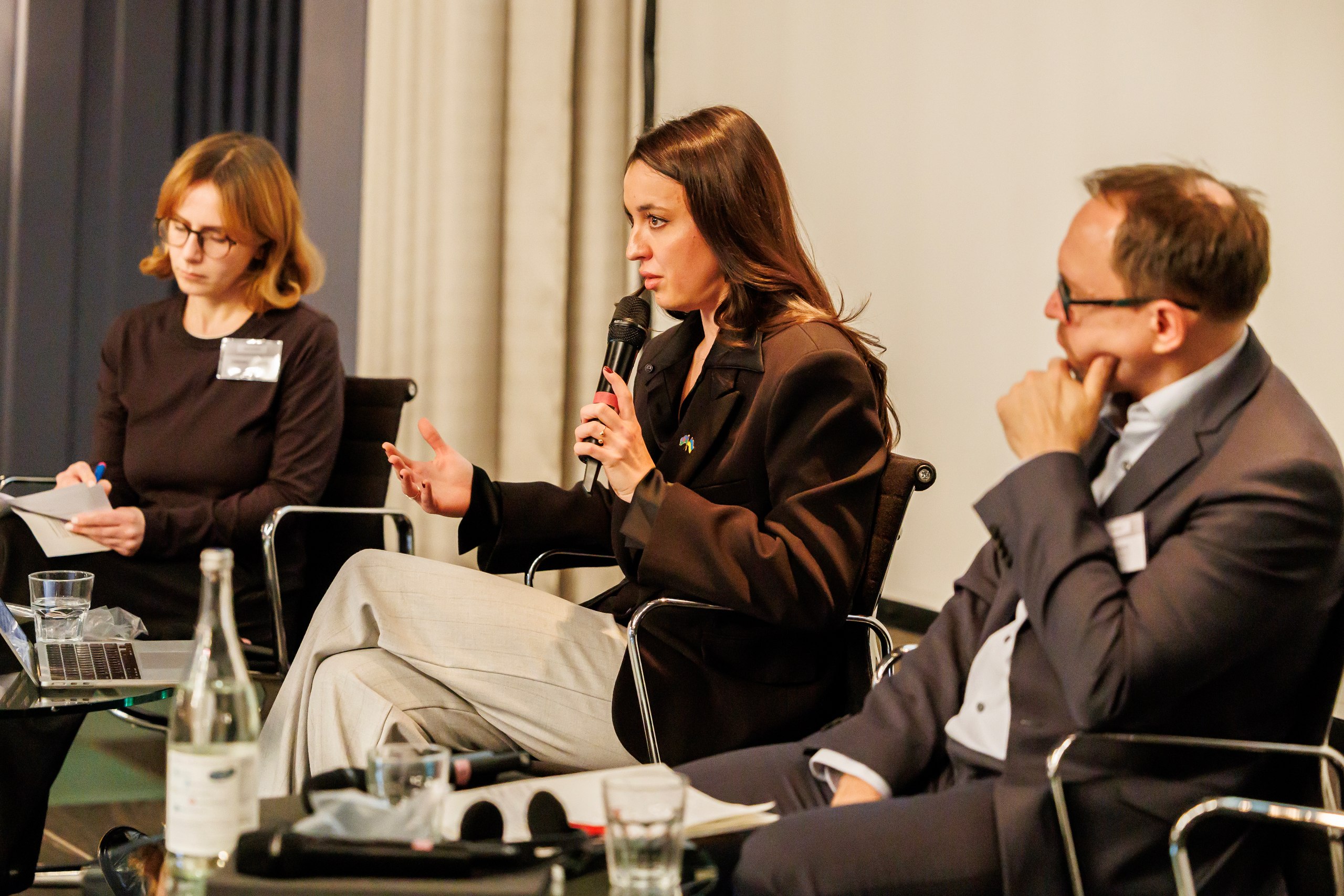
Participants reached a shared understanding that protecting the rights of Roma communities requires more than humanitarian assistance. It calls for systemic solutions, equal access to services and opportunities, action against discrimination, and the meaningful involvement of Roma people in decision-making processes.
An important next step will be to translate the proposals developed during the forum into practical action. This will require continued cooperation between government institutions, international organizations, and Roma civil society organizations, as well as joint efforts to develop solutions and implement initiatives that strengthen the protection of Roma rights, their participation in Ukraine’s recovery, and the country’s European integration.
See also
- Return, integration and reconstruction: Berlin discusses the future of Ukraine’s roma after the war
- Roma Forum in Berlin: key topics of the first day
- Roma Forum on Ukraine 2026: Advancing the Rights of Ukrainian Roma Across Borders in Europe
- ARСA presented its experience in preserving Romani oral history at a symposium in Yale
- АРКА представила Україну на міжнародній платформі Café Kyiv 2026
- АРКА візьме участь у Cafe Kyiv 2026
- Roma Women’s Testimony from Ukraine at the United Nations Holocaust Memorial Ceremony
- Roma rights and the challenges of war: results of a discussion in Berlin
- Roma Inclusion in Focus – Strengthening Partnerships Between Ukraine and Germany
- The film “Named Voices” was presented at an international conference
- ARСA representative participates in OSCE conference on human rights
- Babyn Yar: And the Thousands of Ravines of Memory. How We Reflect on the Past During Wartime
- Voices of Memory and Future: ARCA’s Participation in the 5-Year Anniversary of the Program
- ARCA Representatives Hold Lecture at the MFA to Mark Roma Genocide Remembrance Day
- Roma Programme Featured at One of Europe’s Largest Conferences
- In New York City, the 69th session of the UN Commission on the Status of Women is underway
- A screening of a movie about the Roma Genocide took place in Berlin
- Michael Roth: “Roma are the largest ethnic community. And its contribution should be recognized”
- Humanitarian Aid, Human Rights, Equality: Challenges faced by the Roma Community
- Participation in the panel discussion “Challenges Faced by Ukrainian Roma in the Ukraine”
- Attitude towards minorities is an important indicator of Ukraine's readiness to accede to the EU
- A networking meeting between civil society participants
- We are already planning the restoration of Ukraine: an international conference has begun
- Participation in DEZIM CONFERENCE 2024
- The Art of Memory: How the Romani Tragedy Resurrects from Oblivion
- The Forum dedicated to the 140th Anniversary of the Female Movement in Ukraine
- "Romanis must be included in the processes of Ukraine’s Reconstruction", – Volodymyr Yakovenko
- The event "Roma contribution to the Recovery of Ukraine"
- The Council of Europe Dialogue with Roma and Traveler civil society
- Conference on Ukraine's recovery in Berlin
- Educational event "Roma in Ukraine - fighters for democracy, human rights and justice" was held
- Ukrainian Decolonization: the Untold Roma Stories
- Public event "Roma in Ukraine – Fighters for Democracy, Human Rights and Justice"
- Mapping the Challenges faced by Ukrainian Roma in a War Time and Overcoming the Obstacles
- Cafe Kyiv event took place in Berlin
- Respect, Recognition and Rights of National Minorities in Ukraine
- Consultation meeting on opportunities for Roma youth realization
- Meeting with a member of the Bundestag
- Conference “Roma as an integral part of Ukrainian society”
- Forum of Roma civil society
- "The Russian War Against Ukraine and Its Consequences for Roma" conference
- First day of Roma Civil Society Forum
- The Sastipe project
- The project Through my mind
- DIKH HE NA BISTER - Roma Genocide Remembrance Initiative