Roma rights and the challenges of war: results of a discussion in Berlin
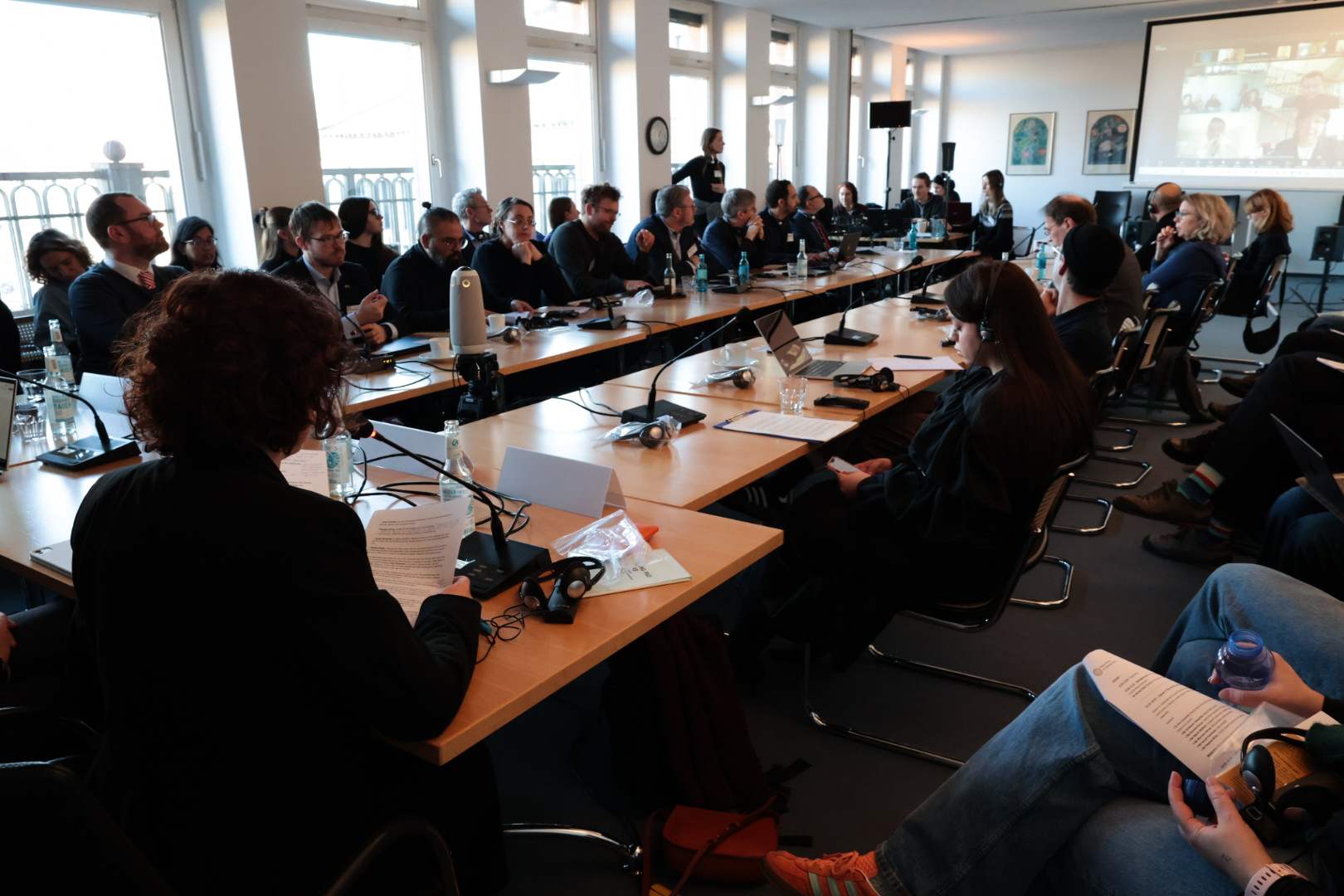
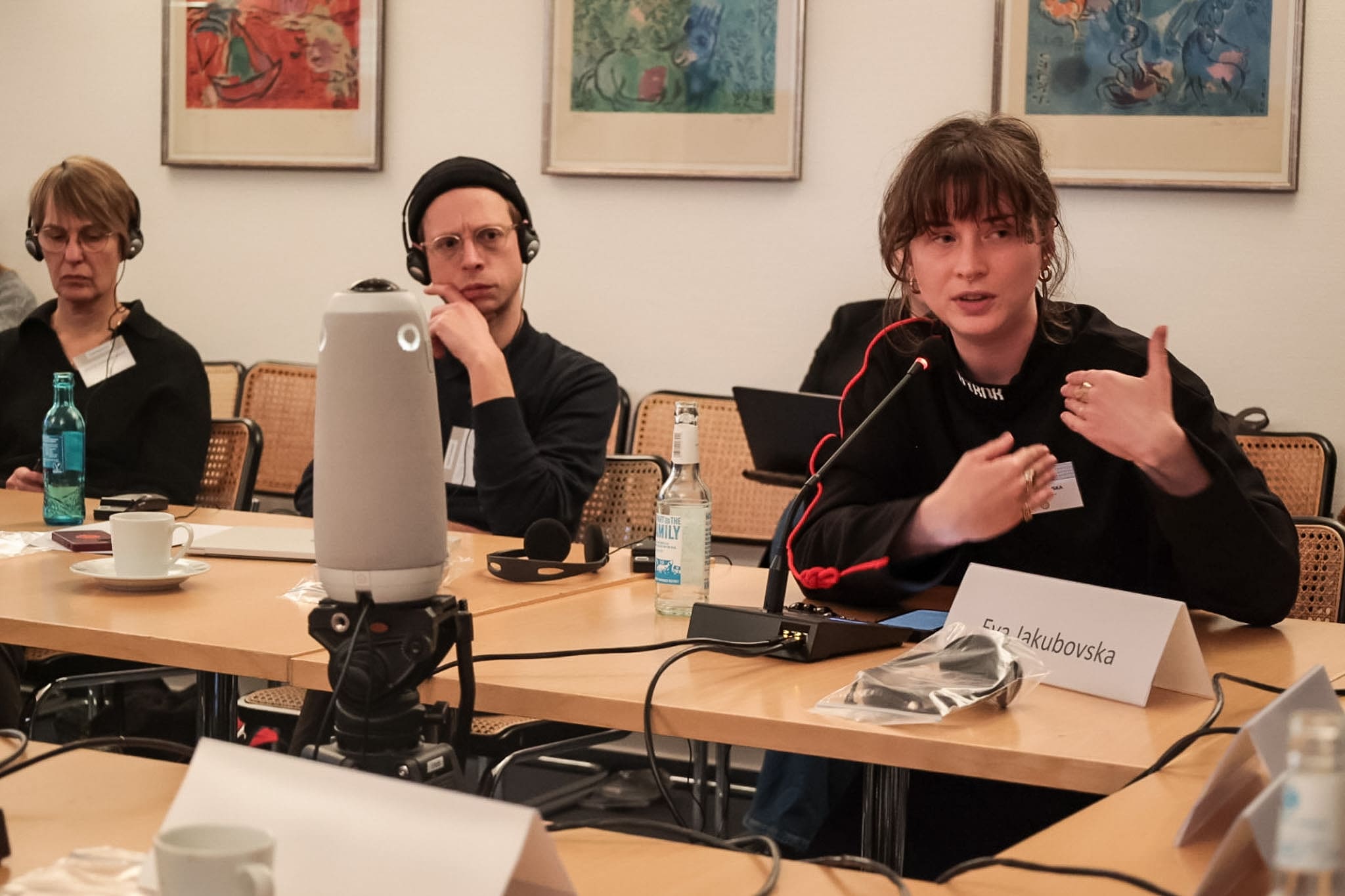
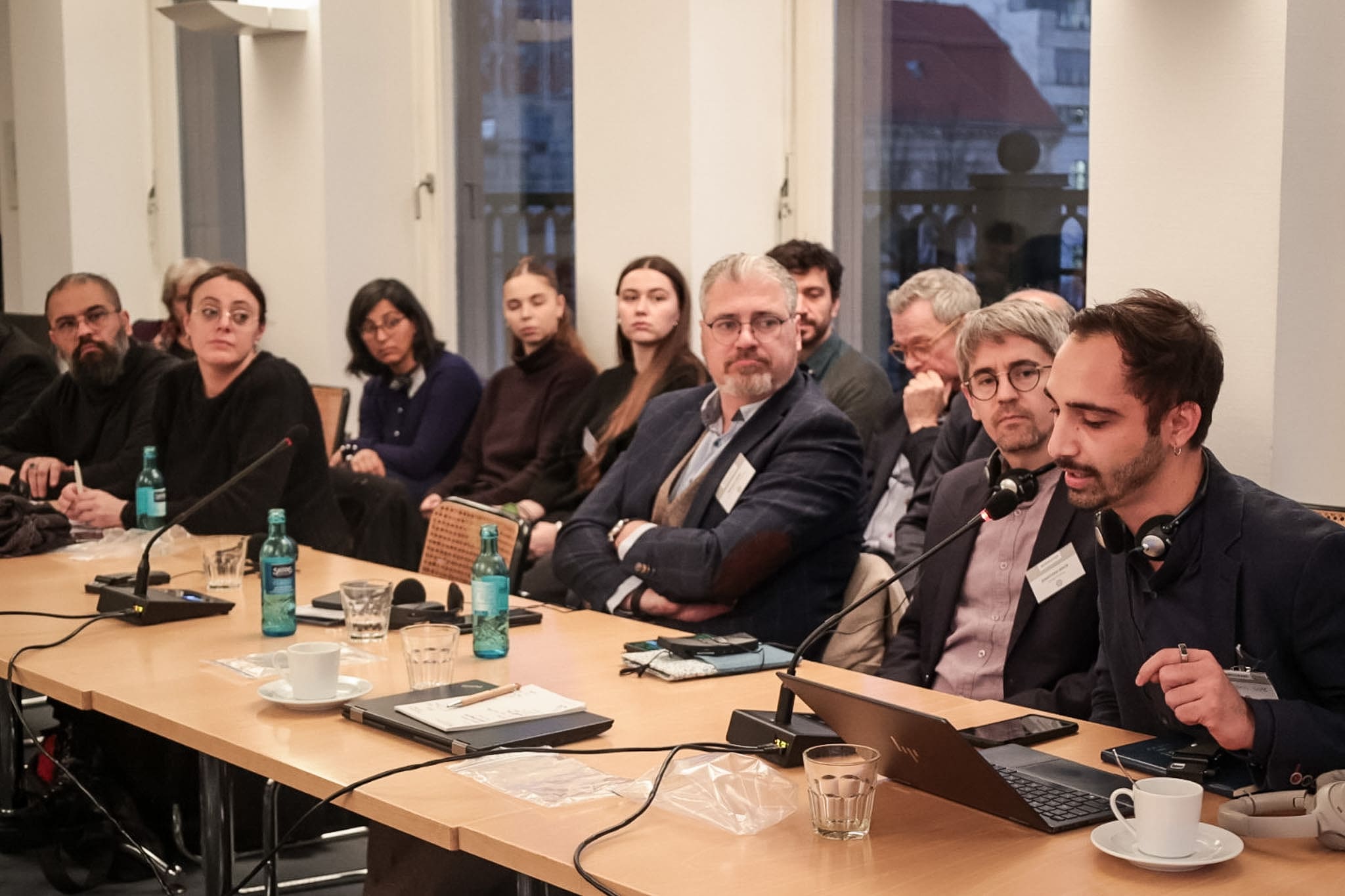
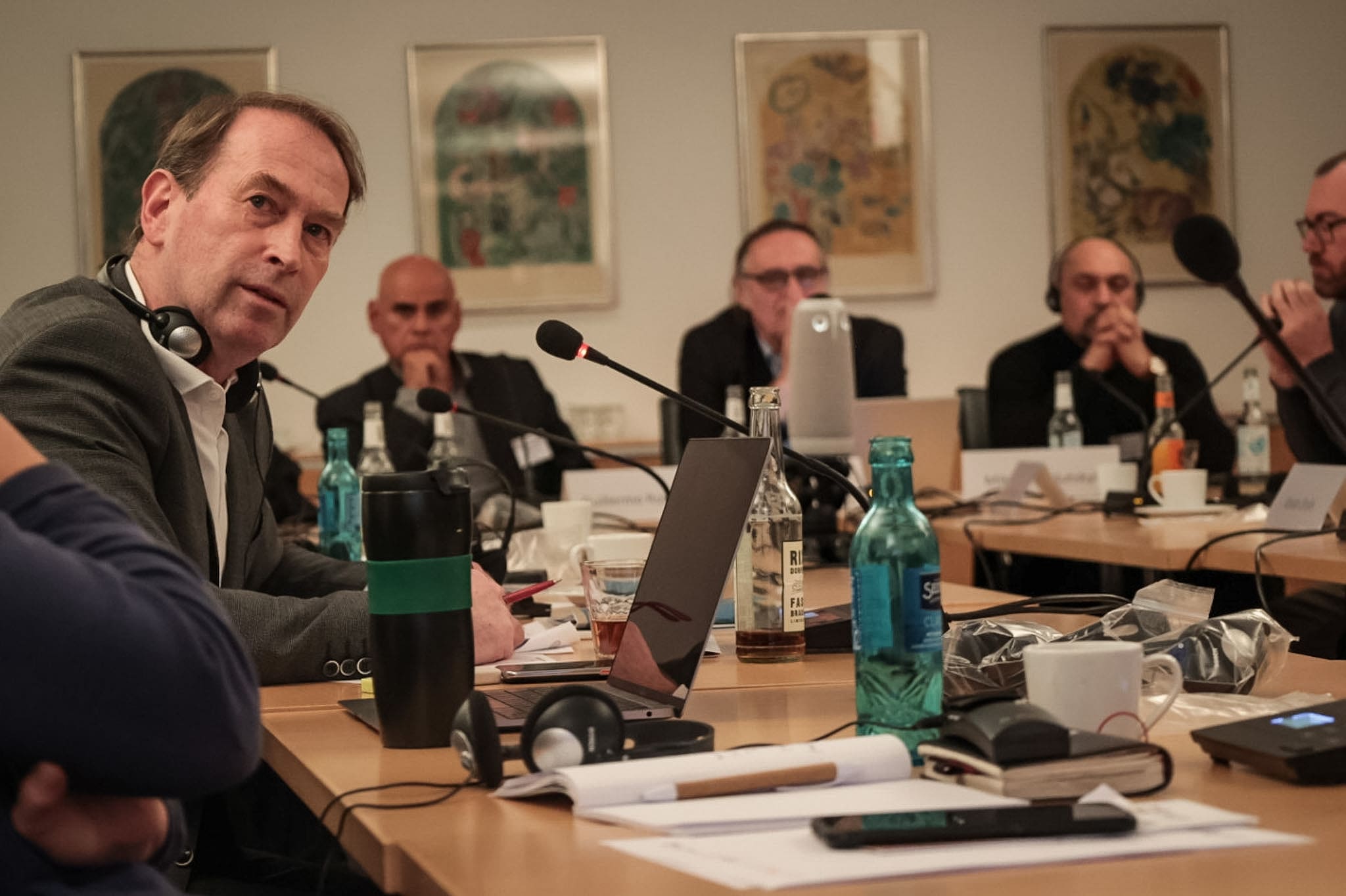
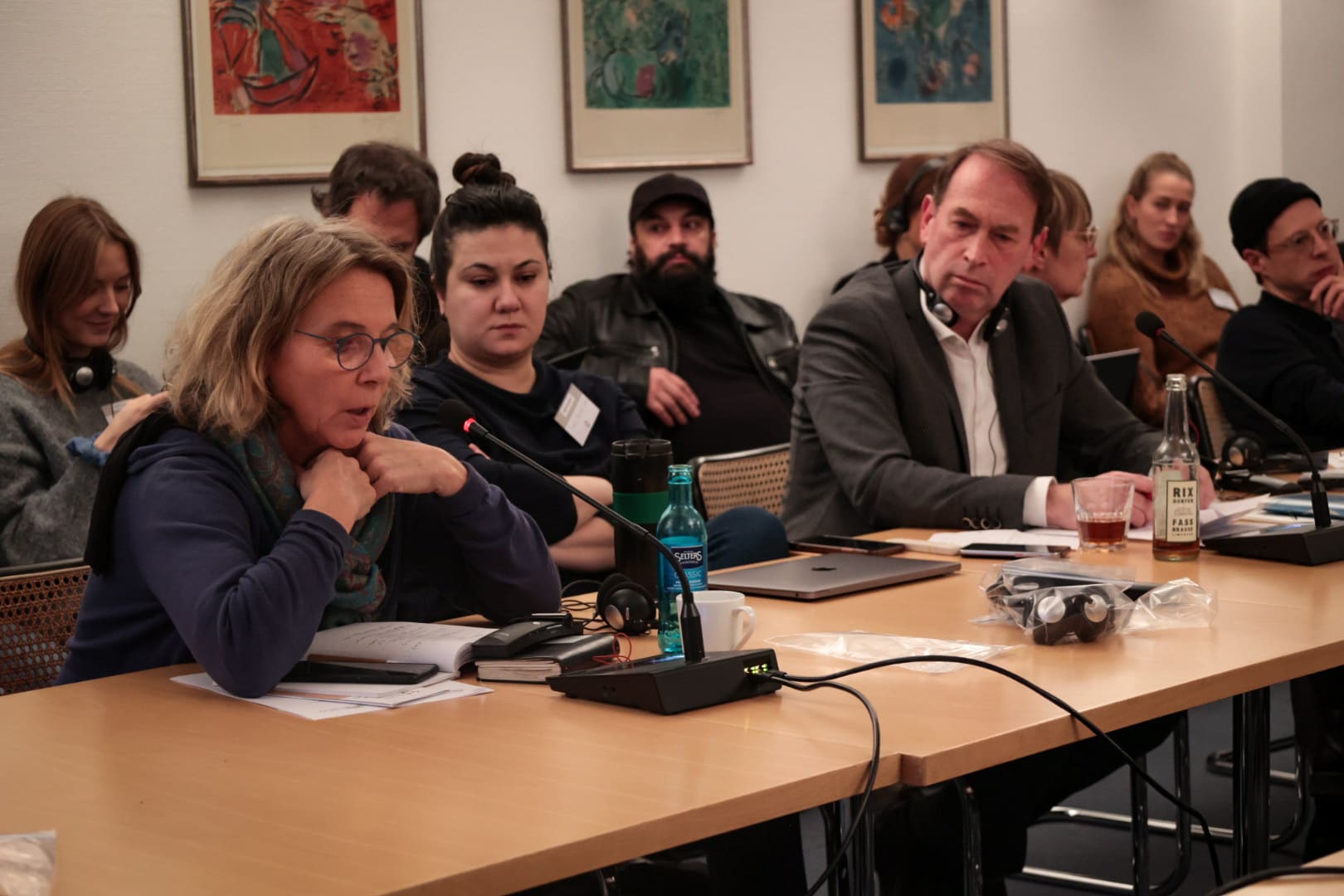
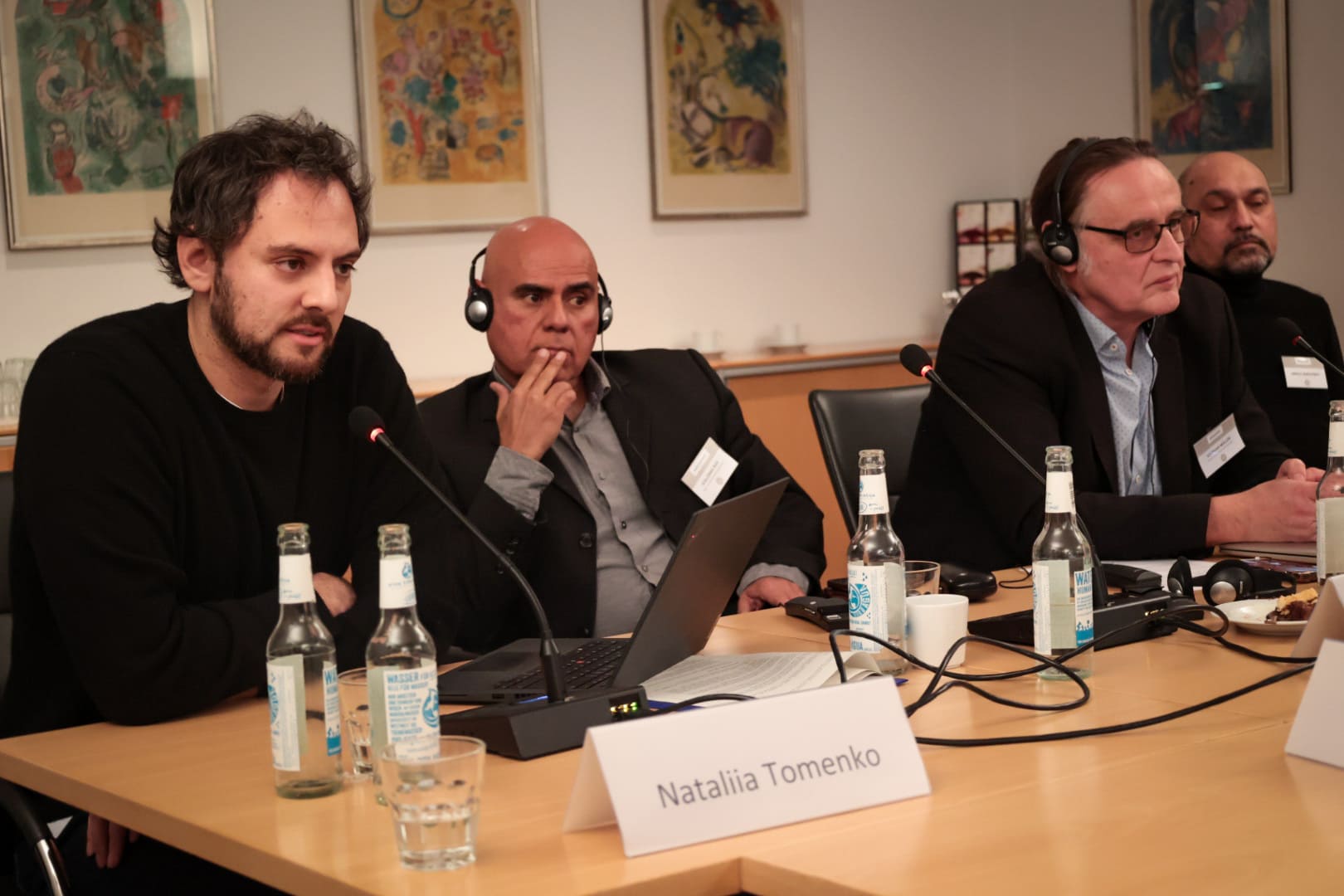
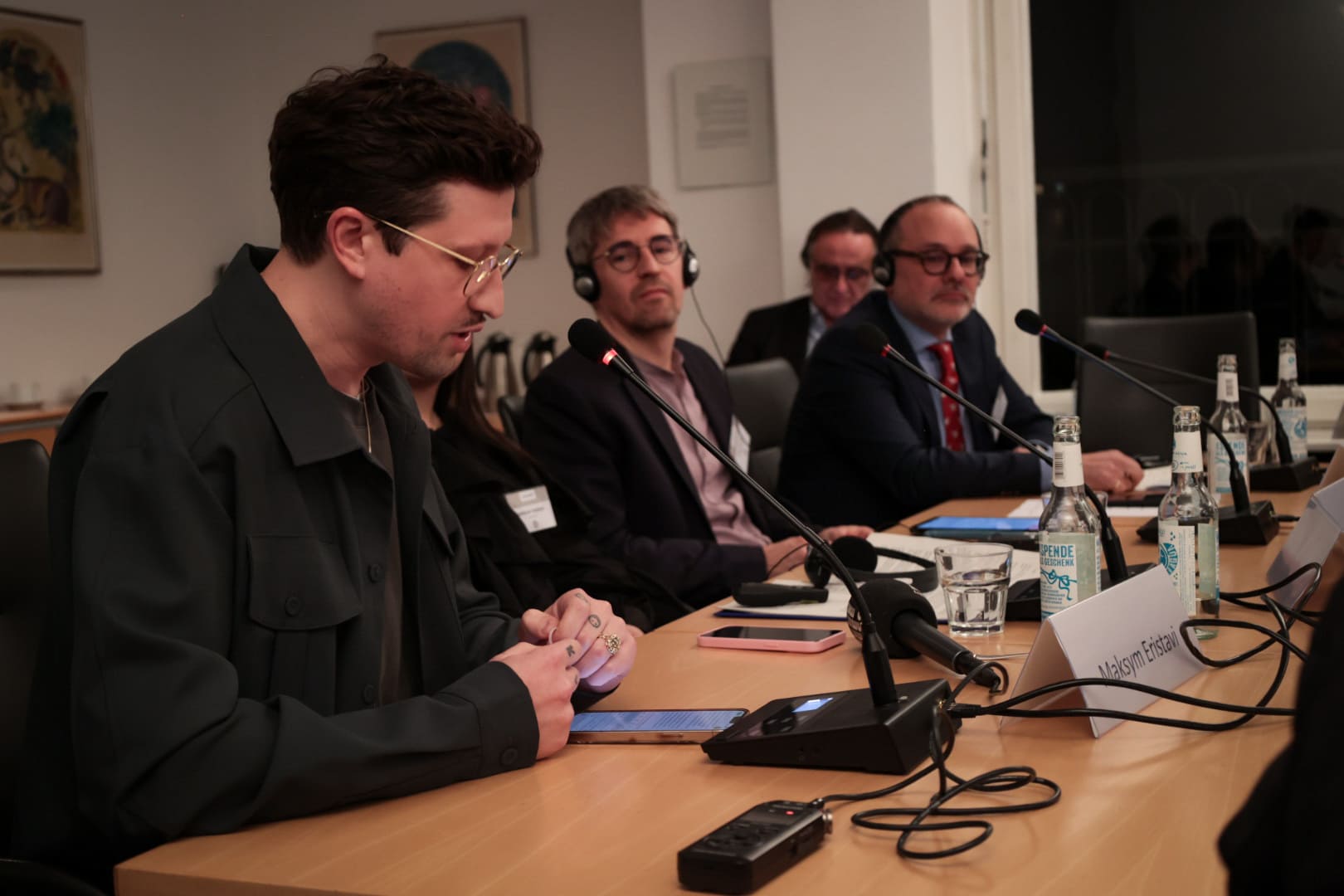
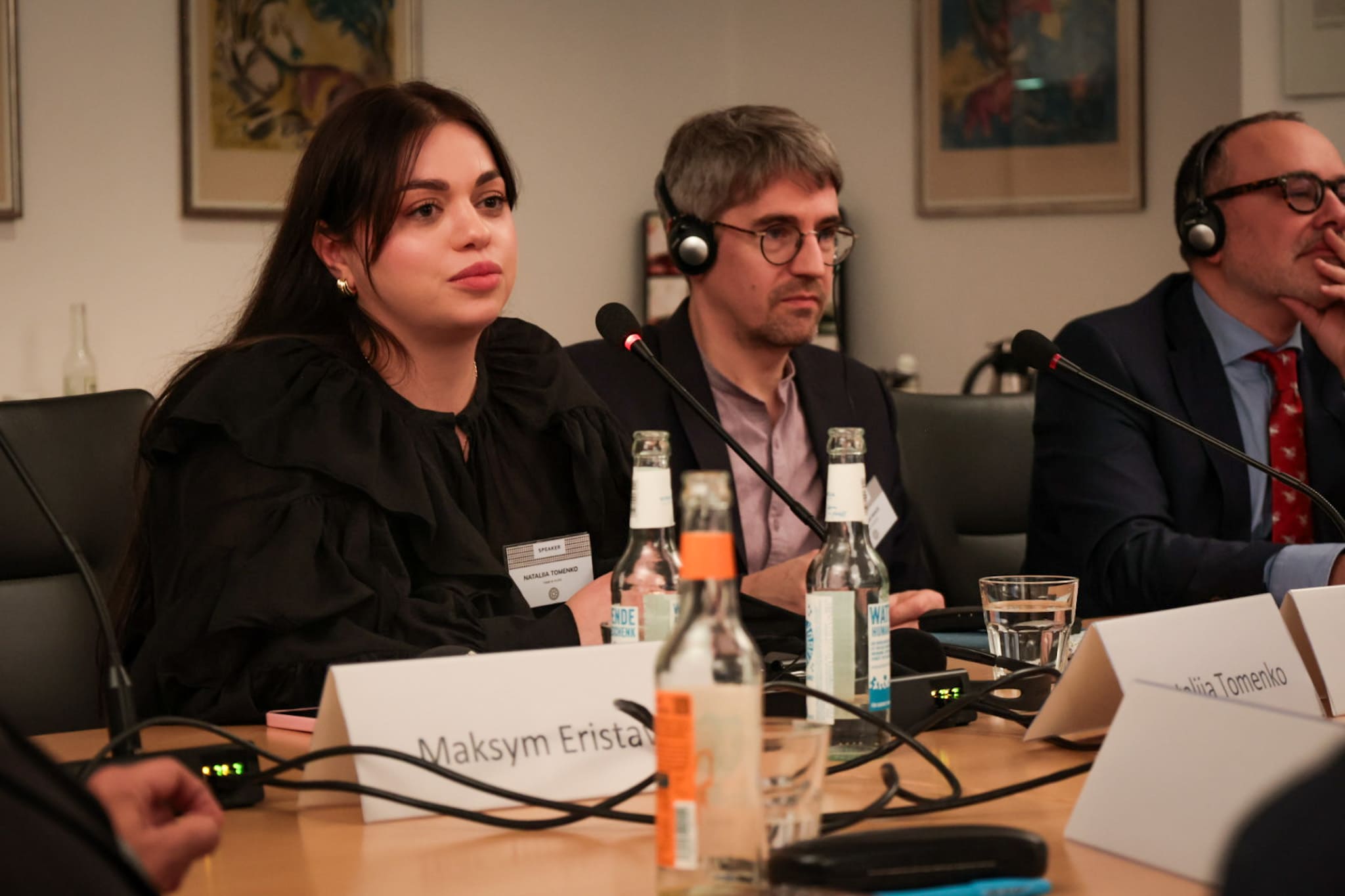
A roundtable discussion titled “Roma Inclusion in Focus: Strengthening Partnerships between Ukraine and Germany” took place in Berlin. The event was organized by the Youth Agency for the Advocacy of Roma Culture “ARCA” and the Central Council of German Sinti and Roma, in cooperation with the Society for Threatened Peoples, the Ukrainian Roma Advocacy Alliance (AURA), and the Evangelical Academy in Berlin. The roundtable was held with the support of the Federal Foreign Office of Germany and the Ukrainian Women’s Fund.
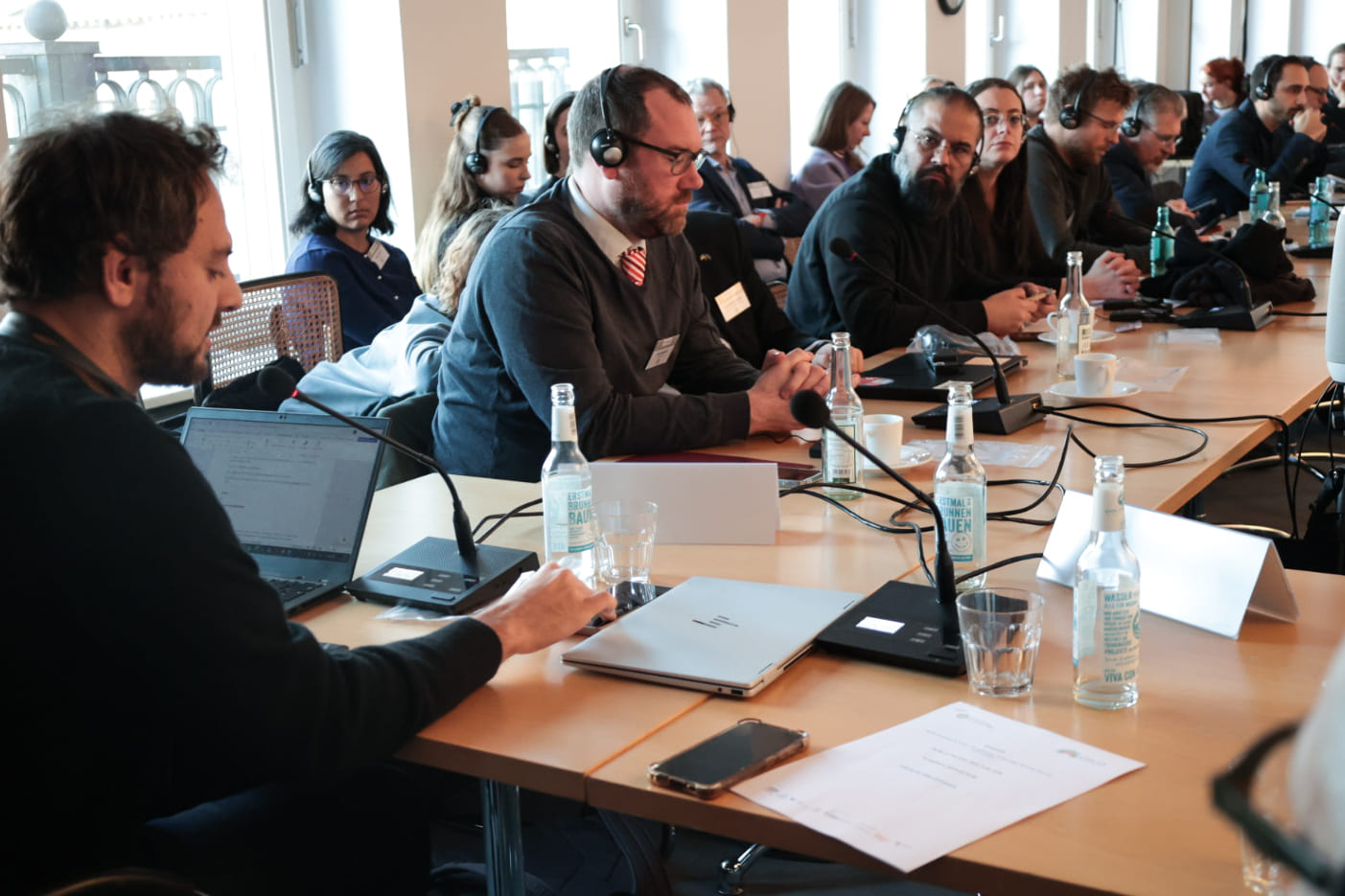
The event brought together politicians, representatives of public institutions, and civil society actors from Ukraine and Germany. The discussion focused on the rights and needs of Roma in Ukraine, as well as on the situation of Roma refugees from Ukraine in Germany. Participants addressed issues of equal participation, combating antigypsyism, access to social and humanitarian support programs, and the need to develop sustainable international partnerships.
Roma as an Active Part of European Society
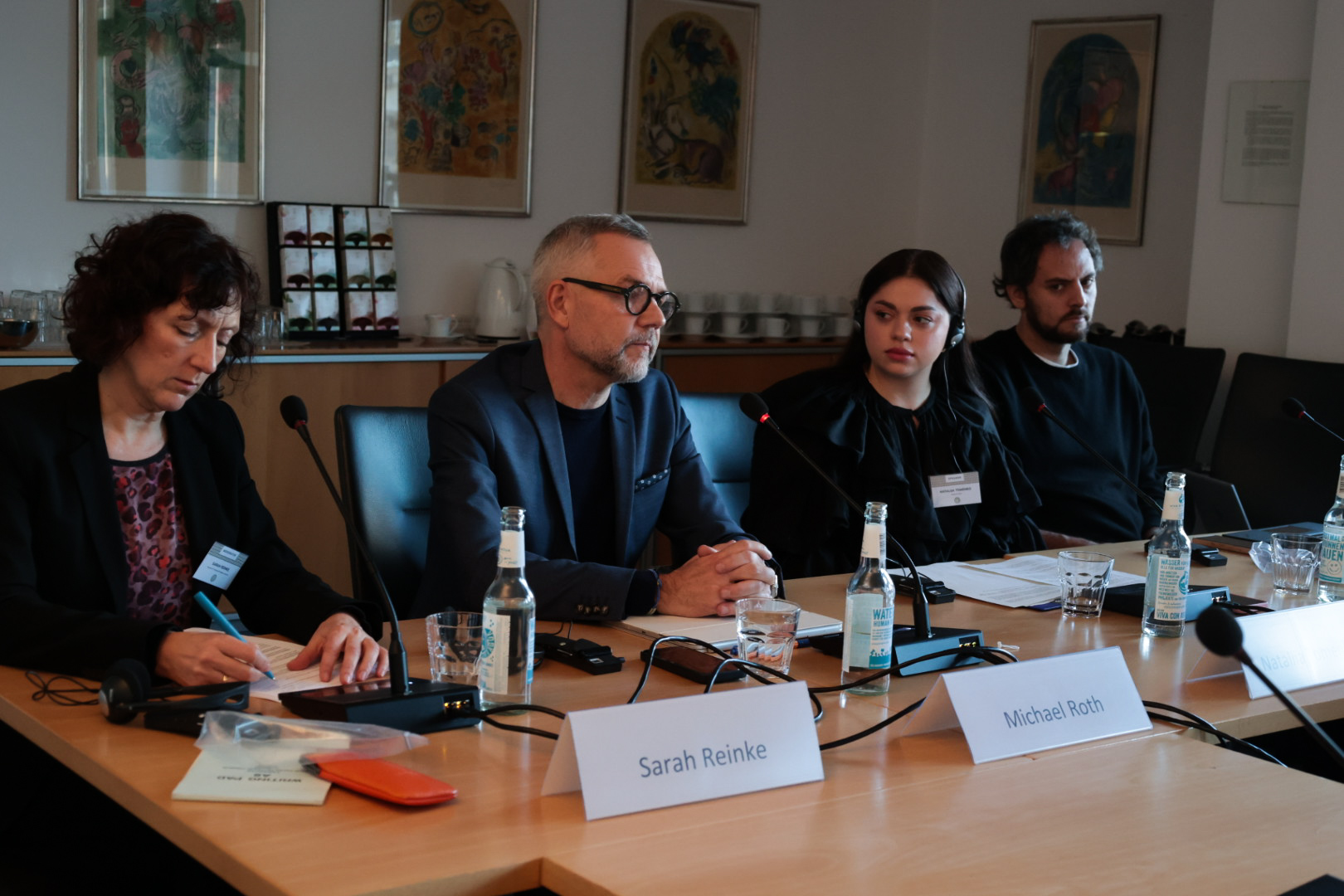
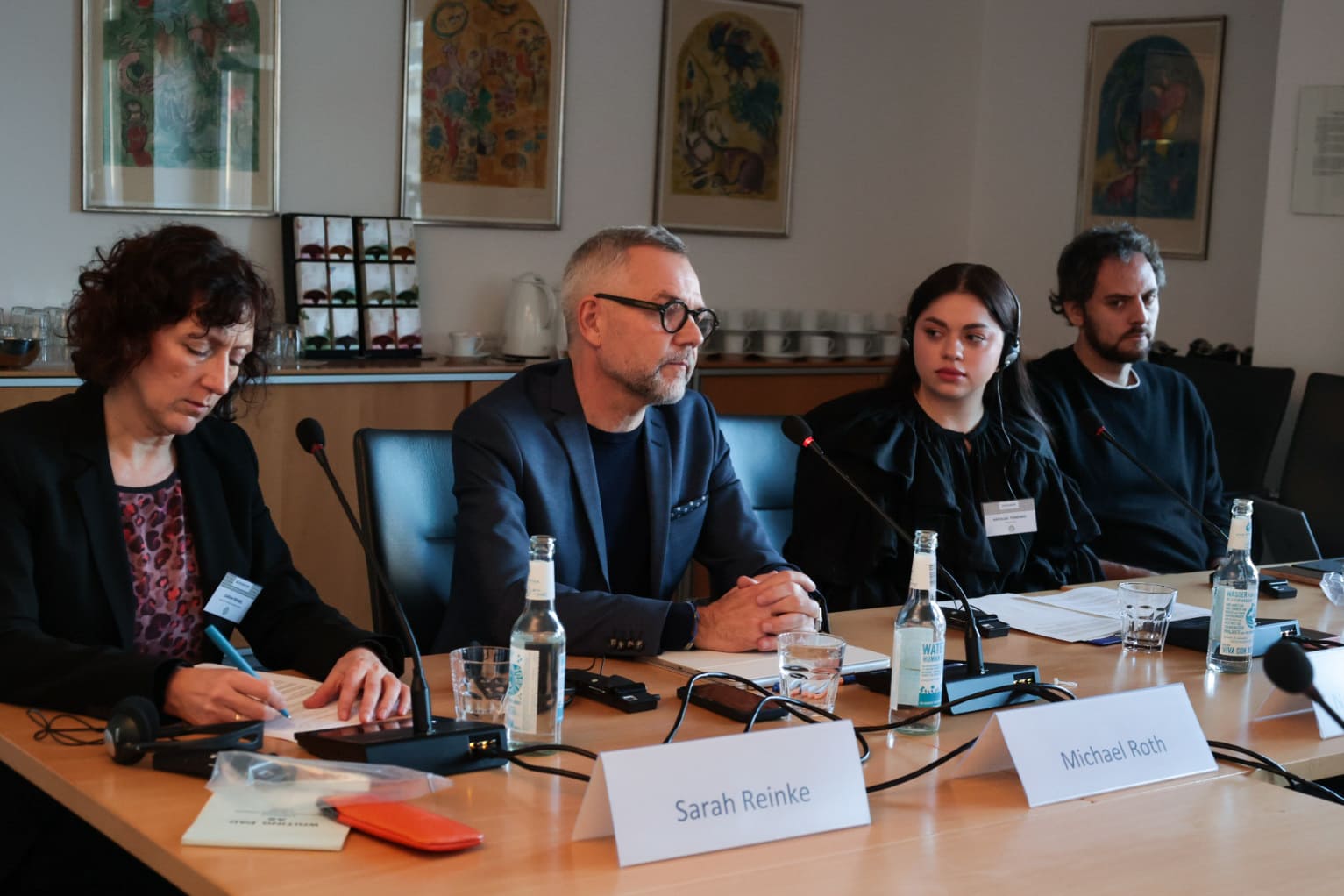
The roundtable was opened by Michael Roth, Member of the Advisory Board of the Ukrainian Roma Advocacy Alliance (AURA) and former Minister of State for Europe of the Federal Republic of Germany. In his remarks, he emphasized that Roma are one of the largest national minorities in Europe and should primarily be perceived as citizens of the countries in which they live.
“We are talking about people who contribute significantly to society. We need a narrative of appropriate recognition of Roma. The struggle for Roma rights continues and delivers results. Supporting civil society in Ukraine, including its Roma component, is critically important,” Michael Roth stated.
Roma Refugees in Germany: Challenges and Priorities
Sarah Reinke, Head of the Berlin Office of the human rights organization Society for Threatened Peoples, highlighted the scale of displacement from Ukraine. According to her, around 1.2 million Ukrainian refugees are currently residing in Germany, approximately 100,000 of whom are Roma.
She identified key priorities, including the need for systematic documentation of the situation of Roma refugees, targeted information work, protection of rights, and combating stereotypes. Sarah Reinke placed particular emphasis on access to healthcare services for Roma refugees and the urgent need to improve it.
Roma Inclusion as an Indicator of Democratic Quality
Volodymyr Yakovenko, Executive Director of the Youth Agency for the Advocacy of Roma Culture “ARCA,” stressed that the state’s attitude toward Roma is an important indicator of the quality of democracy. He noted the symbolic significance of discussing Roma inclusion in Berlin at a time when international negotiations on pathways to peace in Ukraine are ongoing.
“Questions of Ukraine’s recovery, democracy, and human rights must be addressed now, not postponed until the post-war period,” he emphasized.
Volodymyr Yakovenko also drew attention to the precarious situation of Roma communities in Ukraine, including forced displacement, loss of livelihoods, and limited access to housing, healthcare, education, and social services. He further noted that a significant number of Roma from Ukraine are currently living in Germany and other EU countries, where they face different but institutionally recognized challenges.
Key Recommendations Voiced during the Roundtable
Participants highlighted several priority recommendations. These included integrating Roma inclusion as a distinct priority in Ukraine’s post-war recovery process; ensuring policy sustainability in the field of minority rights independent of electoral cycles; investing in systematic training of public officials on antigypsyism; guaranteeing meaningful participation of Roma organizations in policymaking processes; and strengthening the role of international partners, particularly Germany, in supporting the long-term institutional capacity of Roma organizations in Ukraine.
State Policy and the Roma Strategy 2030
Ihor Losovskyi, Deputy Head of the State Service of Ukraine for Ethnic Policy and Freedom of Conscience, who joined the event online, emphasized that Roma are an integral part of Ukrainian society. He referred to the Roma Strategy 2030, which aims to prevent discrimination, promote Roma integration, and preserve Roma culture.
“There are 130 national minorities in Ukraine, and all of them are affected by the full-scale war. The role of our service is to develop the legal framework and strategic documents that ensure the protection of their rights,” Ihor Losovskyi stated.
The Role of Self-Organization and Mediation
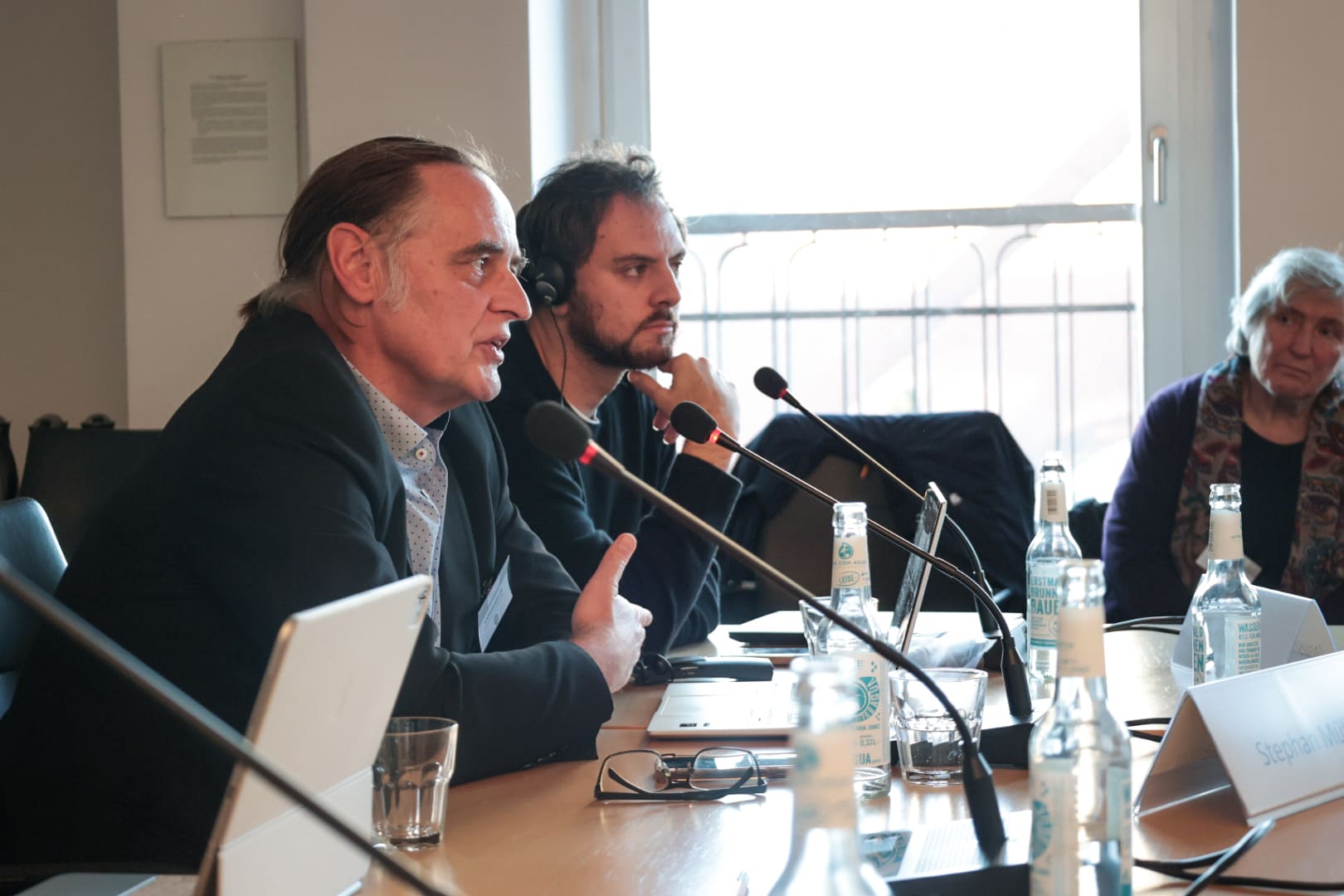
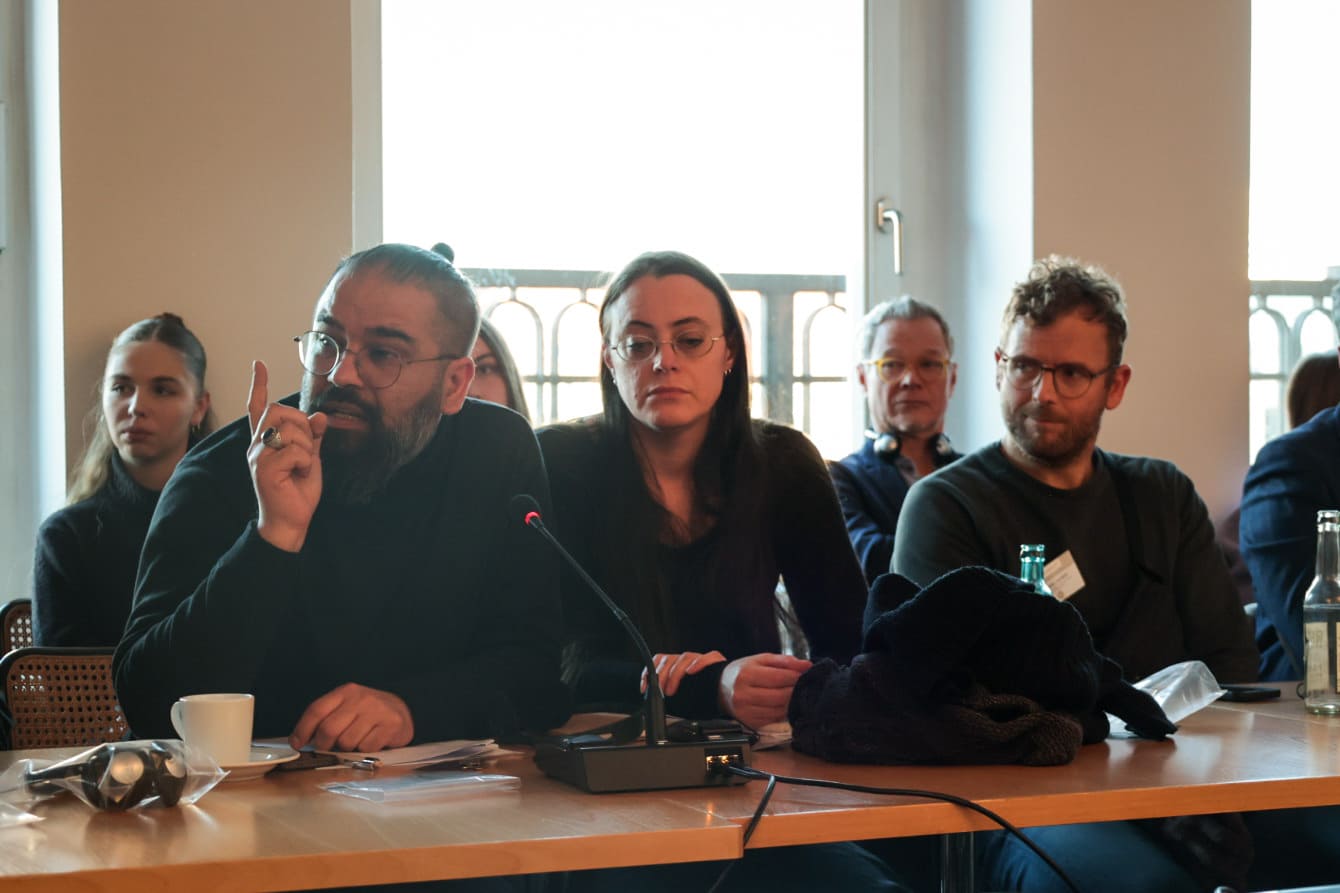
During the discussion, civil society activist, human rights defender, and Roma community pastor Mykola Burlutskyi presented proposals to strengthen support for Roma refugees in Germany. Among them was the creation of an institution of Roma mediators, who could serve as a bridge between Roma communities and public authorities.
He also highlighted the language barrier as a major obstacle to integration and stressed the importance of self-organized Roma communities, which are better positioned to engage with public institutions and participate effectively in integration programs.
Roma Participation and Post-War Challenges
Janusz Panchenko, Co-Chair of the Ukrainian Roma Advocacy Alliance (AURA), spoke about Roma participation in the defense of Ukraine. According to him, wartime experience has partially reduced antigypsyism, particularly within the military environment. However, upon returning from the front, Roma veterans often encounter the same systemic problems they faced before the war.
“This is not only about respect for Roma—it is about the country we want to rebuild. Attitudes toward Roma are a measure of societal tolerance,” he stressed.
Presentation of the Ukrainian Roma Advocacy Alliance (AURA)
Following the roundtable, participants were introduced to the newly established organization Ukrainian Roma Advocacy Alliance (AURA). The organization will focus on combating antigypsyism and advancing the rights and equal participation of Roma in Ukraine and among Roma refugees from Ukraine. The Co-Chairs of AURA are Nataliia Tomenko and Janusz Panchenko.
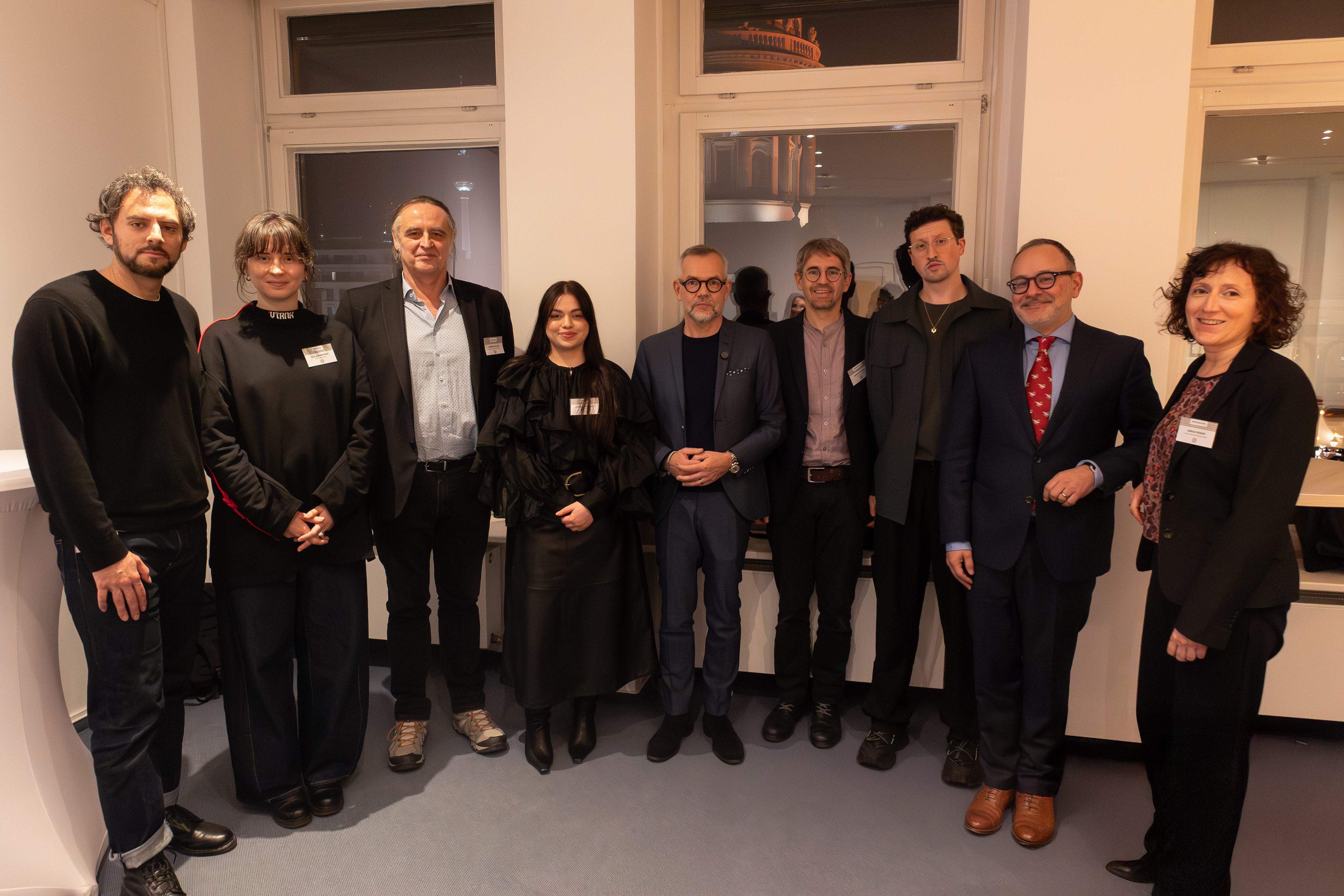
The Youth Agency for the Advocacy of Roma Culture “ARCA” expresses its sincere gratitude to all partners and participants for the substantive discussion and commitment to long-term cooperation. Special thanks go to the Central Council of German Sinti and Roma, the Society for Threatened Peoples, the Ukrainian Roma Advocacy Alliance (AURA), the Evangelical Academy in Berlin, the Federal Foreign Office of Germany, and the Ukrainian Women’s Fund for their support and contribution to the event.
Photo: RONI LUGASSI
See also
- АРКА представила Україну на міжнародній платформі Café Kyiv 2026
- АРКА візьме участь у Cafe Kyiv 2026
- Roma Women’s Testimony from Ukraine at the United Nations Holocaust Memorial Ceremony
- Roma Inclusion in Focus – Strengthening Partnerships Between Ukraine and Germany
- The film “Named Voices” was presented at an international conference
- ARСA representative participates in OSCE conference on human rights
- Babyn Yar: And the Thousands of Ravines of Memory. How We Reflect on the Past During Wartime
- Voices of Memory and Future: ARCA’s Participation in the 5-Year Anniversary of the Program
- ARCA Representatives Hold Lecture at the MFA to Mark Roma Genocide Remembrance Day
- Roma Programme Featured at One of Europe’s Largest Conferences
- In New York City, the 69th session of the UN Commission on the Status of Women is underway
- A screening of a movie about the Roma Genocide took place in Berlin
- Michael Roth: “Roma are the largest ethnic community. And its contribution should be recognized”
- Humanitarian Aid, Human Rights, Equality: Challenges faced by the Roma Community
- Participation in the panel discussion “Challenges Faced by Ukrainian Roma in the Ukraine”
- Attitude towards minorities is an important indicator of Ukraine's readiness to accede to the EU
- A networking meeting between civil society participants
- We are already planning the restoration of Ukraine: an international conference has begun
- Participation in DEZIM CONFERENCE 2024
- The Art of Memory: How the Romani Tragedy Resurrects from Oblivion
- The Forum dedicated to the 140th Anniversary of the Female Movement in Ukraine
- "Romanis must be included in the processes of Ukraine’s Reconstruction", – Volodymyr Yakovenko
- The event "Roma contribution to the Recovery of Ukraine"
- The Council of Europe Dialogue with Roma and Traveler civil society
- Conference on Ukraine's recovery in Berlin
- Educational event "Roma in Ukraine - fighters for democracy, human rights and justice" was held
- Ukrainian Decolonization: the Untold Roma Stories
- Public event "Roma in Ukraine – Fighters for Democracy, Human Rights and Justice"
- Mapping the Challenges faced by Ukrainian Roma in a War Time and Overcoming the Obstacles
- Cafe Kyiv event took place in Berlin
- Respect, Recognition and Rights of National Minorities in Ukraine
- Consultation meeting on opportunities for Roma youth realization
- Meeting with a member of the Bundestag
- Conference “Roma as an integral part of Ukrainian society”
- Forum of Roma civil society
- "The Russian War Against Ukraine and Its Consequences for Roma" conference
- First day of Roma Civil Society Forum
- The Sastipe project
- The project Through my mind
- DIKH HE NA BISTER - Roma Genocide Remembrance Initiative